
- Home
- What We Do
What We Do
Our Scope
Cleft lip and cleft palate free surgeries
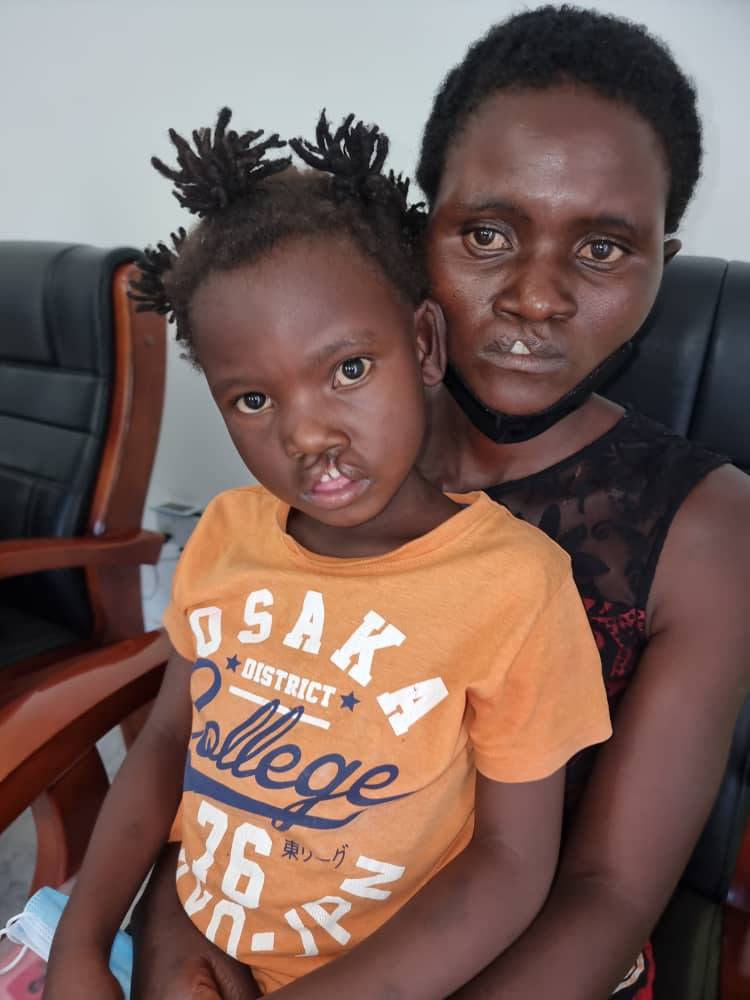
Clefts of the lip and/or palate (CL/P) are common anomalies accounting for 65% of congenital head and neck malformations. Without treatment most of these children end up with multiple challenges ranging from speech abnormalities, hearing problems, malnutrition, recurrent infections, dental abnormalities, psychosocial problems, low self-esteem and sometimes death. The incidence of oro-facial clefts varies between 1 in 500 to 1 in 1 000 depending on the geographic region. With timely intervention, cleft children can lead a normal life. Through the support of our local and international partners, Global Cleft and Cranio-Facial Foundation is able to provide free cleft and craniofacial reconstructive surgeries.

Congenital Craniofacial disorders
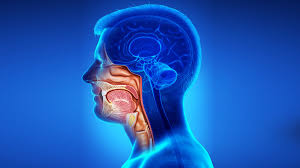
Even though cleft lip and cleft palate are the commonest facial birth defect, other defects have been shown to affect the facial region. Among them are Crouzon’s syndrome, Apert’s Syndrome, Hemifacial Microsomia, Craniosynostosis, Pierri Robin Anomaly among many others. The common denominator among these is severe cranial and facial disfigurement. Children born with these complex abnormalities require multiple facial reconstructive procedures. Through the support of our local and international partners, GCCF is able to reach out to this subpopulation to provide affordable reconstructive surgeries
Head and Neck Cancer surgeries
The last decade has seen an upsurge in the incidence of head and neck tumours. Squamous cell carcinoma is by far the commonest head and neck cancer, affecting patients of all age groups. Also common among the African population is benign jaw tumors and cysts such as Ameloblastomas. These tumours can grow to alarming sizes resulting in severe facial disfigurement and sometimes death. Sadly, in the African context nearly all patients present late in the course of the disease leading to mediocre treatment outcomes. Through the valuable support of our local partners, GCCf strives to provide free services to patients presenting with large head and neck tumours
Complex facial trauma
The global incidents of facial trauma has been on the rise, with up to 25 % patient of AE trauma patients presenting with some form of facial injuries. The causes vary from motor vehicle crashes, interpersonal violence (assaults), military injuries, falls from heights and sport reated injuries. Facial injuries can complicate into airway obstruction, severe infection leading into sepsis, facial disfigurement, speech disability, feeding challenges and dental problems. Timely and optimal intervention is necessary to avoid such untoward effects. Through the GCCF initiate, many patients have been assisted to access affordable facial trauma services.
Facial reconstructive Surgeries
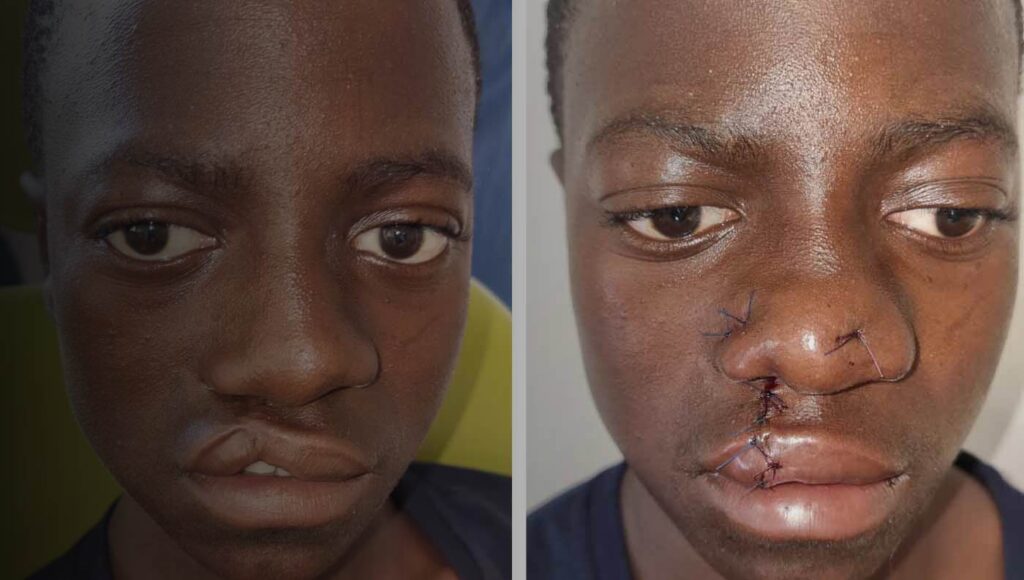
Human to human interaction involves the ability for one express themselves in a comprehendable manner. The face is the window through which we express our emotions. A deformed face will distort the true deep expression of the heart. Facial reconstructive surgery comes in to restore the identity and ability for one to express themselves. Deformities of the face ranges from minor cosmetic defects such as prominent chin, narrow face, short face, sagging eyelids to major deformities caused by orofacial infections, tumors, cysts, burns, trauma, birth defects. GCCF has built a team of experts trained to perform procedures as complex as tissue transfers such as microvascular reconstructive surgeries.
Counselling and psychosocial services
Studies have shown that children born with cleft lip and palate have increased prevalence of psychiatric illness, intellectual disability, language disorders, Autism Spectrum Disorders (ASD), hyperactivity and other behavioural disorders. They also experience difficulties in interactional skills ranging from poor parent-infant relationship (breast-feeding bond) to suufering bullying among age peers. In a 2015 study of 15-year-olds born with a cleft, 42% reported bullying at least daily, 50% reported sadness, 31% depression. The CLAPA’s 2014 survey found theat 64% of adults born with a cleft palate said they still had issues with their speech, 70% said this continued to anxiety around public speaking and meeting others for the first time and 70% endured negative or insensitive comments from others. In the same survey, 97% of adults with a cleft lip said they looked visibly different to others, with many commenting that they had experienced rude comments and bullying. This goes to emphasize the need for psychosocial support among cleft children. Through our partnership with the Shumiro Trust we have been able to reach out to the cleft community. A special thanks to Auntie Danai and her magnificent team.
